Thermal Energy Systems
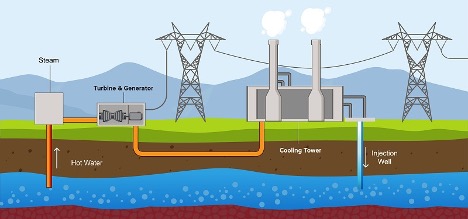
Turning Waste Heat into Wealth
Turning local resources into lasting warmth and power, thermal energy systems offer a sustainable solution for Africa’s industrial and community needs. This technology goes beyond just generating electricity, efficiently capturing and reusing heat that would otherwise be wasted. Two key applications, Combined Heat and Power (CHP) and Seasonal Thermal Energy Storage (STES), are particularly valuable for the African market, providing cost-effective and reliable energy where it’s needed most.
At MekaIES, we’re not just providing power; we’re redefining efficiency for a market that demands more. While Africa is known for its warmth, industries across the continent have a constant and critical need for reliable heating, cooling, and process power. Our Combined Heat and Power (CHP) systems are designed for this exact challenge. By generating electricity and simultaneously capturing the waste heat for applications like hot water, drying, or steam production, CHP turns what was once waste into a dual-purpose asset. This approach not only slashes utility costs but also provides a resilient, on-site energy source for businesses like manufacturing plants, hospitals, and hotels.
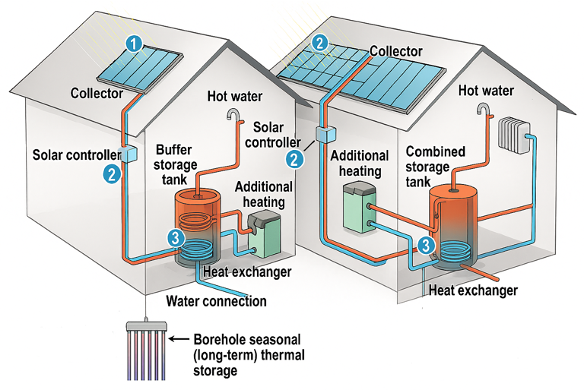
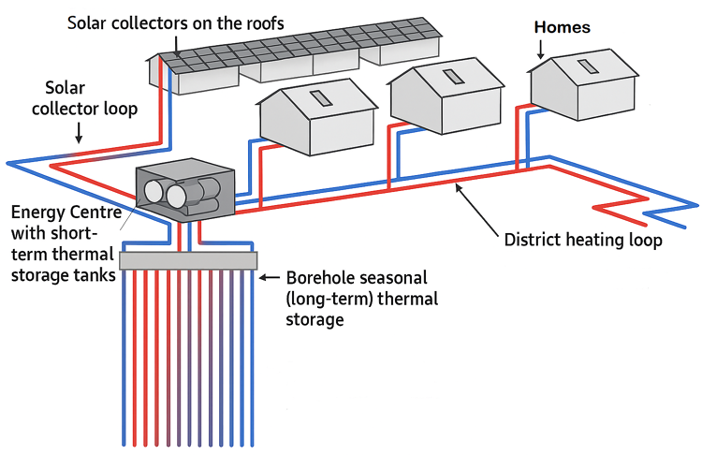
To make your energy system truly unstoppable, we introduce Seasonal Thermal Energy Storage (STES). This innovative solution turns the abundance of Africa’s sunny seasons into a year-round advantage. STES captures and stores surplus heat from sources like solar thermal collectors for later use, ensuring a consistent supply of energy for heating or industrial processes. Even in a warm climate, this is a game-changer. STES and CHP systems can be seamlessly integrated with absorption chillers to convert waste heat into a powerful source for air conditioning and refrigeration. This clever technology eliminates the need for electricity-intensive compressors, drastically reducing cooling costs and operational expenses for your business.
By providing a reliable and cost-effective source of both power and climate control, our thermal energy solutions offer a smart, profitable way for businesses to reduce their reliance on the grid and ensure long-term energy security. Partner with MekaIES and turn your thermal energy needs into a lasting competitive advantage.
At MekaIES we do:
- Site inspection
- Feasibility study
- Procurement or sale of components and devices
- Integration analysis
- Customized design to increase the supply of energy sources.
- Installation and Maintenance.
- Repair or Upgrade
Combined Heat and Power (CHP)
Powering Progress with Thermal Efficiency
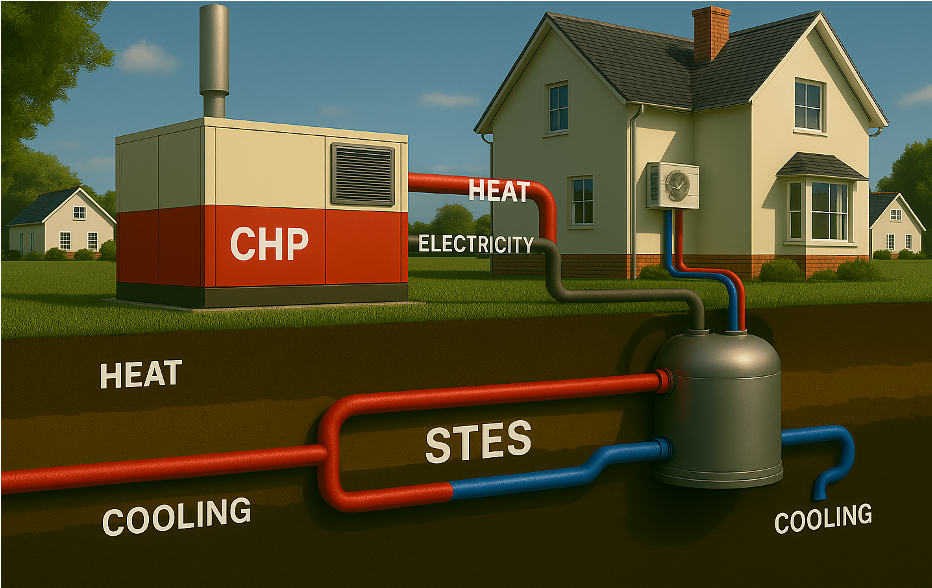
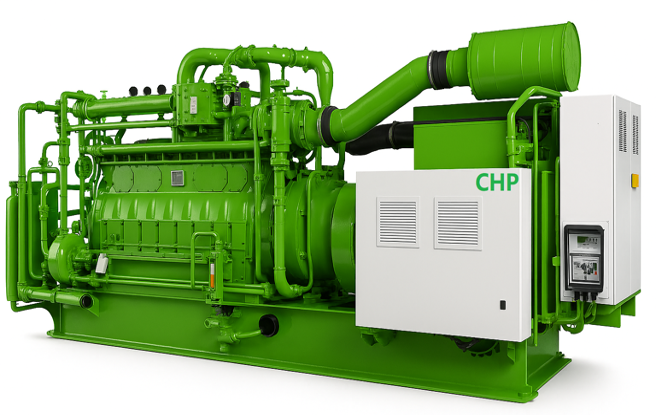
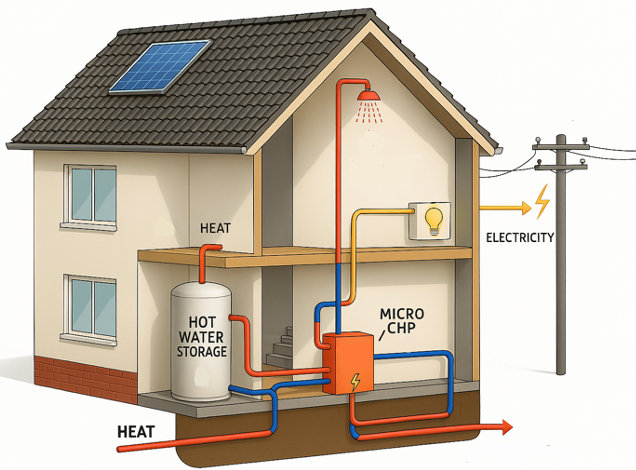
Combined Heat and Power (CHP) is an energy game-changer for businesses and projects seeking to maximize profitability and security. Also known as cogeneration, CHP is a highly efficient technology that simultaneously produces both electricity and usable heat from a single fuel source. A typical system consists of a prime mover (such as a gas turbine, engine, or microturbine) that drives a generator to produce electricity. The waste heat generated during this process—which would normally be lost—is captured by a heat recovery system and put to work for applications like heating water, generating steam, drying products, or providing powerful cooling via absorption chillers. This dual-purpose approach dramatically increases energy efficiency to over 80%, providing significant cost savings and reducing reliance on an often-unstable grid. For industries like hospitality, manufacturing, healthcare, and agriculture, investing in CHP offers a direct path to predictable long-term savings and enhanced operational resilience
The Power of Adaptability
The profitability of a CHP system is maximized by tailoring its size and fuel source to the specific needs of a project. The beauty of CHP lies in its flexibility, allowing it to be integrated with a variety of energy sources. It can be powered by traditional fuels, but its true potential is unlocked when combined with renewable alternatives like biogas from agricultural waste or landfills, or even as a complementary system to solar, wind, or micro-hydropower. For instance, a biogas-fueled CHP system not only generates power and heat but also turns a waste product into a valuable resource, creating a closed-loop, sustainable economy. It can be deployed as a centralized solution for a large industrial park, a decentralized system for an off-grid community, or even in a containerized format for rapid, mobile deployment to remote sites, ensuring energy access is never a limitation.
Maximize Your Return
While CHP systems offer immense benefits, they do have a few challenges. The primary disadvantage is that their efficiency is dependent on a consistent demand for both electricity and heat. If the heat is not used, the system operates like a standard generator, reducing its economic advantage. The solution is careful planning and system integration with a heat demand profile. By conducting a thorough site assessment and combining CHP with other renewable sources, such as Seasonal Thermal Energy Storage (STES), a project can ensure that excess heat is never wasted. This turns a potential disadvantage into a strategic asset, guaranteeing continuous, reliable, and highly efficient energy that fuels progress, empowers local economies, and secures a sustainable future for African businesses and communities.
Seasonal Thermal Energy Storage (STES)
Turning Seasons into Savings
Seasonal Thermal Energy Storage (STES) is a smart and future-ready solution that captures, stores, and reuses thermal energy across seasons—transforming natural cycles into reliable power. By using media like water tanks, boreholes, aquifers, or insulated caverns, STES stores heat or cold when it’s abundant and delivers it when demand is high. For example, heat from solar collectors, industrial waste, or biogas generators during hot months can be stored and used in colder periods for heating, while natural winter cold can be captured and reused for summer cooling. Key components such as heat exchangers, pumps, insulation, and smart control systems ensure energy is stored efficiently and delivered exactly when needed. With this approach, STES empowers African homes, businesses, and communities to access dependable, renewable energy—cutting costs and securing long-term energy resilience.
Building Smarter, Profitable Energy Systems
STES shines as a profitable investment when integrated into broader hybrid systems. It works seamlessly with solar, wind, micro-hydropower, biogas, CHP (Combined Heat and Power), and even air-conditioning waste heat, maximizing efficiency and minimizing energy loss. For businesses, this means reduced reliance on unstable grids, lower energy costs, and the ability to use every bit of energy generated. Projects can be designed as centralized hubs for cities and industries, decentralized systems for villages or farms, or containerized setups for flexible deployment. In collaboration with our globally trusted partners, MekaIES delivers prefabricated or onsite-built STES solutions tailored to your needs, ensuring scalability from small projects to regional-scale infrastructure. By capturing what would otherwise be wasted energy, clients unlock powerful new revenue streams while boosting sustainability credentials.
Overcoming Challenges, Unlocking Potential
Like any system, STES comes with challenges—its upfront costs and dependency on accurate seasonal demand forecasting can deter adoption. However, these are overcome through smart integration with complementary renewable sources, professional system design, and phased investments that deliver steady ROI. When paired with continuous demand systems like CHP or steady solar generation, stored energy never goes to waste but becomes a strategic reserve for heating, cooling, or even industrial processes. The result is a cleaner, more resilient energy ecosystem that not only saves money but also builds independence, reduces fossil fuel reliance, and future-proofs African businesses and communities. With MekaIES, STES is not just about storage—it’s about turning energy into opportunity all year long.